There’s something about knowing only 500 copies exist. You’re not just buying music—you’re acquiring something scarce, something that might never be pressed again. That’s the pull of limited edition vinyl: ownership in a streaming world where everything else is infinite.
But limited editions can also be a trap. Marketing hype. Artificial scarcity. Variants that sound worse than standard pressings. The line between genuine collectibility and manufactured FOMO isn’t always obvious.
Understanding what makes limited editions valuable—and what’s just packaging—helps you collect wisely.
The Appeal
Exclusivity. When 500 copies exist, owning one means something. You’re part of a small group who can hold that particular object.
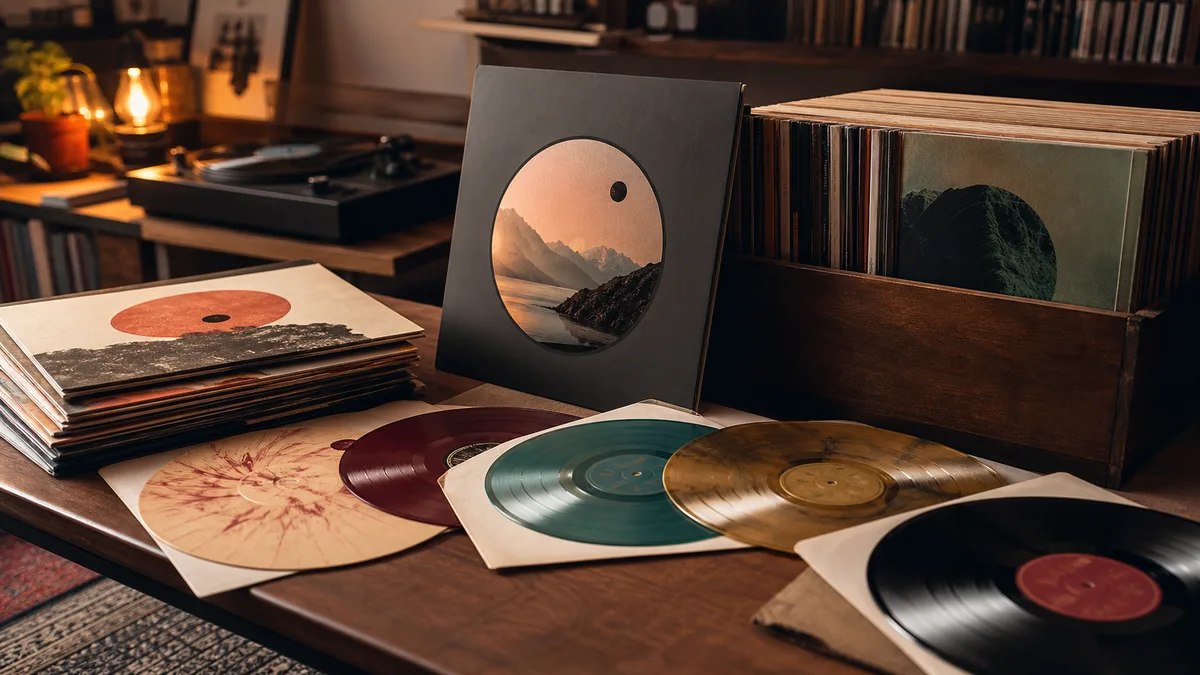
Visual impact. Colored vinyl spinning on a turntable creates an experience digital can’t touch. Splatter patterns, marbled swirls, translucent colors catching light—these are objects worth looking at, not just listening to.
Investment potential. Scarcity plus demand can drive serious appreciation. Not every limited edition gains value, but some become genuinely rare.
The hunt. Finding that variant you’ve been seeking—at a price that doesn’t hurt—delivers satisfaction algorithms can’t replicate.
The Variants
Colored Vinyl
The most common type. Instead of standard black, records come in solid colors, translucent shades, marbled patterns, splatter effects, or split designs.
A persistent myth claims colored vinyl sounds worse than black. Modern formulations have largely closed this gap—colored pressings are often more pure than recycled black vinyl, which may contain impurities that affect playback. Unless you’re comparing to audiophile-grade virgin black vinyl, most colored pressings sound fine.
Picture Discs
Records with images printed directly on the playing surface. Striking visual impact—album artwork visible while spinning.
The sound reality: picture discs typically have more surface noise than standard vinyl. The printed layer affects groove depth and playback quality. They look spectacular; they don’t sound spectacular.
For collectors who value aesthetics over audio, picture discs are treasures. For listeners who prioritize sound, they’re display pieces.
Deluxe Packaging
Standard albums repackaged with extras: gatefold sleeves, booklets, posters, art prints, bonus tracks on additional vinyl. The music might be identical to the standard release, but the object is more substantial.
Value depends on what you care about. If you love liner notes and expanded artwork, deluxe editions deliver. If you just want the music, you’re paying for packaging you might not need.
Anniversary Editions
Commemorating milestone birthdays of significant albums—10th, 20th, 25th, 50th. Often include remastered audio, bonus tracks, expanded packaging, and collectible elements.
Quality varies dramatically. Some anniversary editions are lovingly produced with genuine improvements. Others are cash grabs with minimal effort. Research before buying.
Test Pressings and White Labels
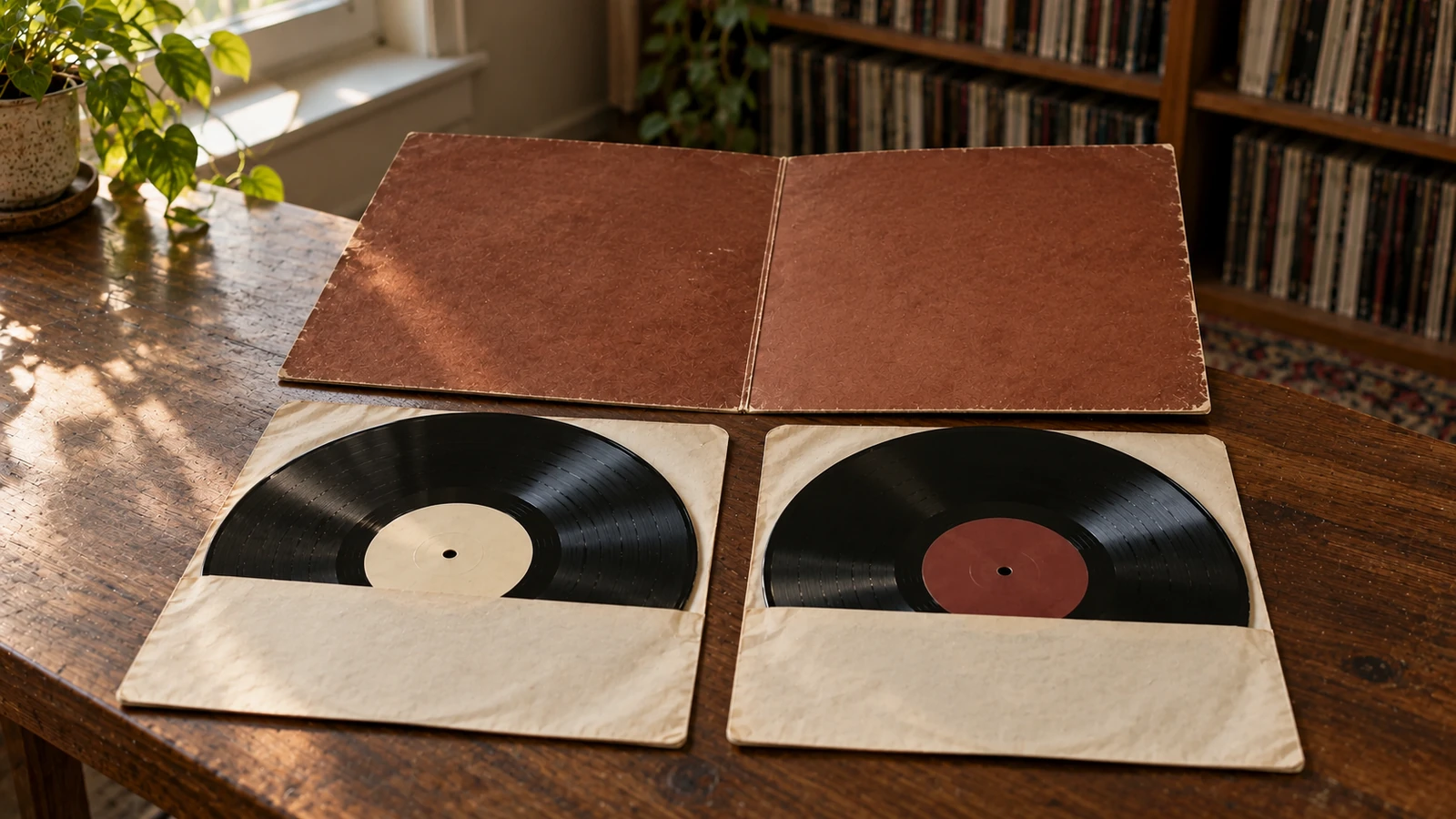
The rarest variants. Test pressings are made by factories to check quality before production runs—often just a handful of copies with plain white labels or handwritten information.
Test pressings of significant albums command extraordinary prices. They may contain subtle audio differences from final releases. For serious collectors, these represent the ultimate acquisition.
Import Variants
Different countries often produce unique pressings. Japanese imports are famous for OBI strips, superior vinyl quality, and exclusive bonus tracks. UK first pressings are often preferred for British artists. European variants sometimes feature different artwork.
Import hunting adds geographic dimension to collecting—records you can’t find domestically might exist across an ocean.
What Actually Drives Value
Scarcity
The fundamental factor. Fewer copies mean higher prices when demand exists.
Under 100 copies: museum-piece territory. These almost never surface for sale. 100-500 copies: highly collectible, significant premiums. 500-1,000 copies: limited enough to appreciate if demand materializes. 1,000-5,000 copies: limited but accessible. 5,000+ copies: not truly scarce in most markets.
Demand
Scarcity alone isn’t enough. The album or artist needs sustained interest. A limited pressing of a forgotten band stays cheap regardless of how few copies exist.
High-demand factors: beloved albums with lasting cultural impact, artists with devoted fan bases, records that defined genres, albums that influenced other artists.
Condition
Rarity can’t rescue damage. Near-mint copies command full premiums. VG+ might retain 60-80% of value. VG and below: significant discounts unless the pressing is extraordinarily rare.
Completeness
For limited editions, original components matter. Inserts, posters, OBI strips, numbered certificates, even expired download cards—everything contributes to value. Incomplete copies are worth less, sometimes substantially.
Collecting Wisely
Buy what you love. The first rule, always. Collect records you actually want to listen to. Chasing variants purely for investment is risky—markets shift, and you’re stuck with music you don’t care about.
Research before buying. Check Discogs for pressing information and market prices. Read reviews of specific variants. Verify authenticity of claimed limited editions. Understand what makes a particular pressing “limited.”
Pre-order strategically. Many limited variants sell out during pre-order windows. Sources: artist websites (often exclusive variants), label stores, specialty retailers, Record Store Day announcements. Following artists and labels on social media catches releases before they’re gone.
Set limits. Limited edition collecting gets expensive quickly. Establish a budget. Decide which artists you’ll collect comprehensively. Define what “too expensive” means for you.
Be patient. Initial release hype often inflates prices. Many limited editions become available at reasonable prices months later as collectors move on or thin their collections. Wait out the frenzy.
Know the exception. Truly scarce releases may never become affordable. A pressing of 300 copies that sold out in minutes probably isn’t getting cheaper. Learn to distinguish temporary hype from genuine rarity.
Red Flags
“Limited” Marketing
Not all “limited editions” are genuinely scarce. Labels know scarcity sells.
Questions to ask: What’s the actual pressing quantity? Is this limited to a specific store, or industry-wide? Will there be future represses?
Condition Claims
Online sellers sometimes inflate condition. Request actual photos—especially of dead wax and labels—rather than trusting descriptions.
Bootlegs and Counterfeits
Popular limited editions attract counterfeiters. Learn to identify correct label information, appropriate vinyl weight, proper packaging details, and authentic matrix numbers. If a deal seems too good, it might be fake.
Hype Pricing
New releases often see inflated prices immediately, then crash. Don’t pay flipper prices for records that will repress or become available at retail.
Record Store Day
RSD delivers genuine exclusives, but also genuine frustration. Strategy helps:
Research the list early. Identify your priorities—you can’t get everything. Arrive early at participating stores. Have backup options. Accept that misses happen.
Don’t pay scalper prices the same afternoon. Many RSD releases eventually surface at reasonable prices. Patience costs nothing.
The Honest Truth
Limited edition collecting adds excitement to vinyl—the hunt, the acquisition, the satisfaction of owning something scarce. It also adds expense and potential disappointment.
The records that matter most are the ones you play, limited or not. A worn standard pressing of an album you love is worth more than a mint limited edition gathering dust.
Collect variants that make you happy. Skip the ones that only make your wallet lighter. The point is music, not completism.
Your collection should reflect what you love, not what marketing convinced you to chase.
Sources: Vinyl.com, Rare Records, Rough Trade, Colorful Vinyl