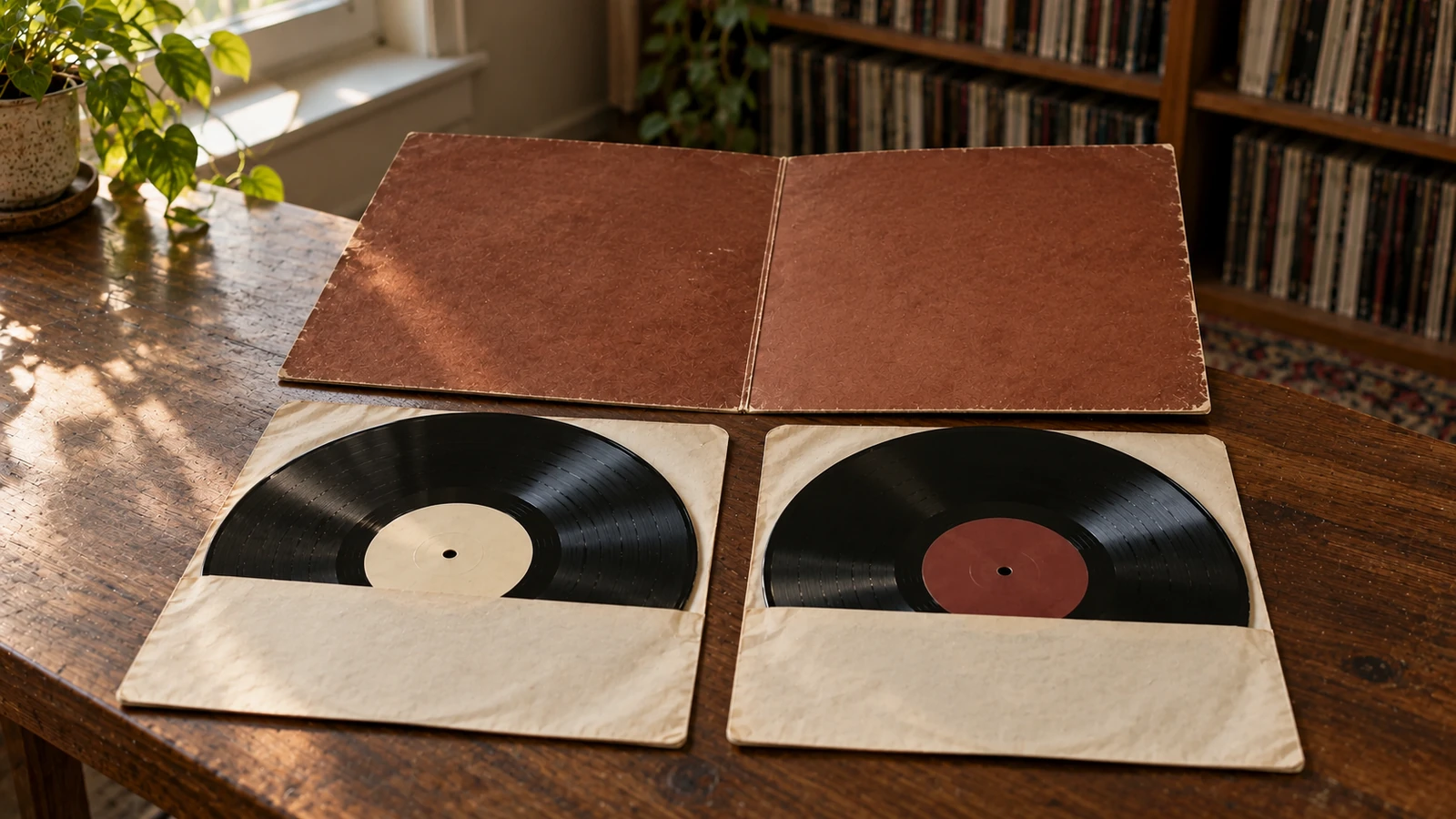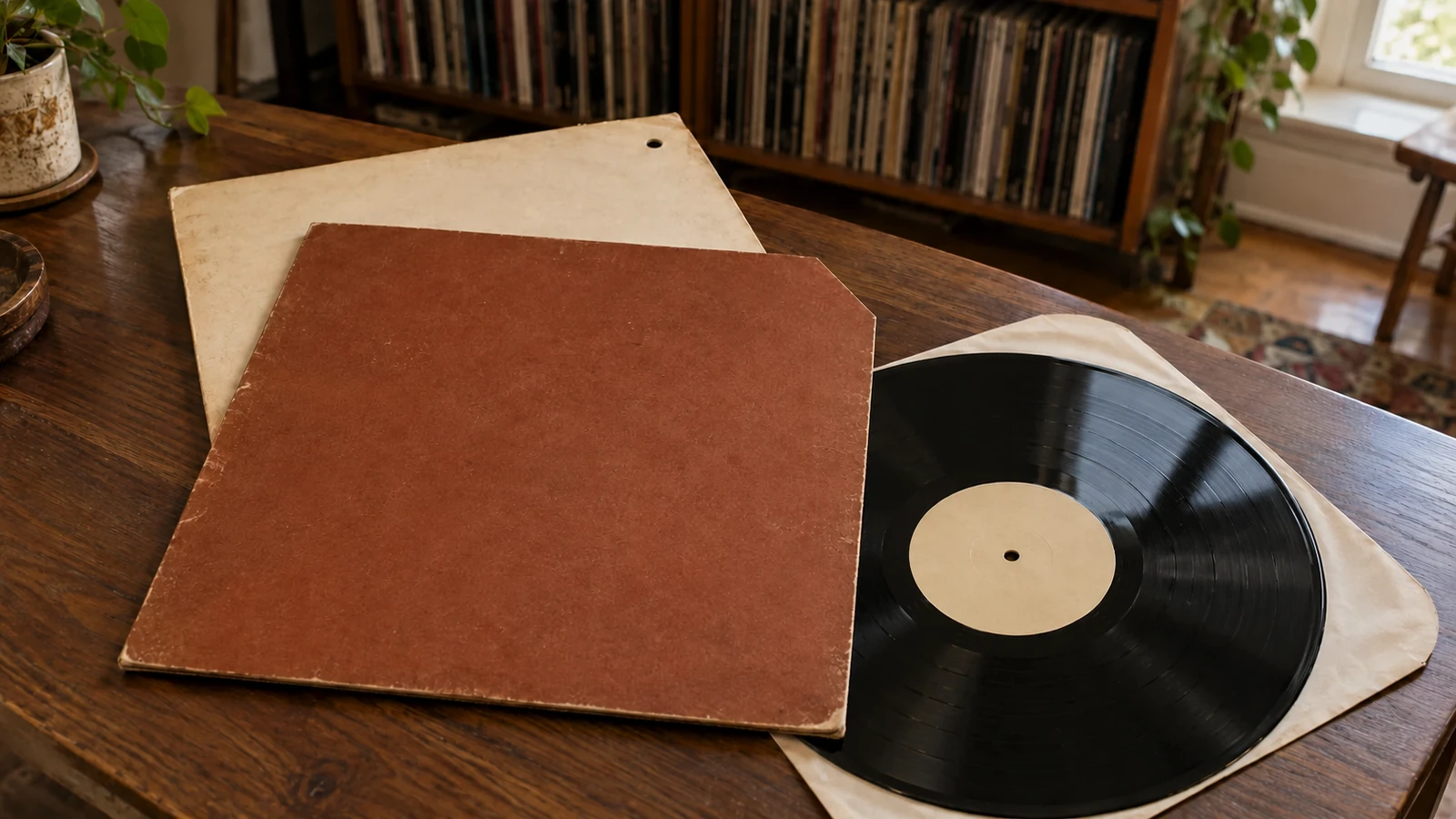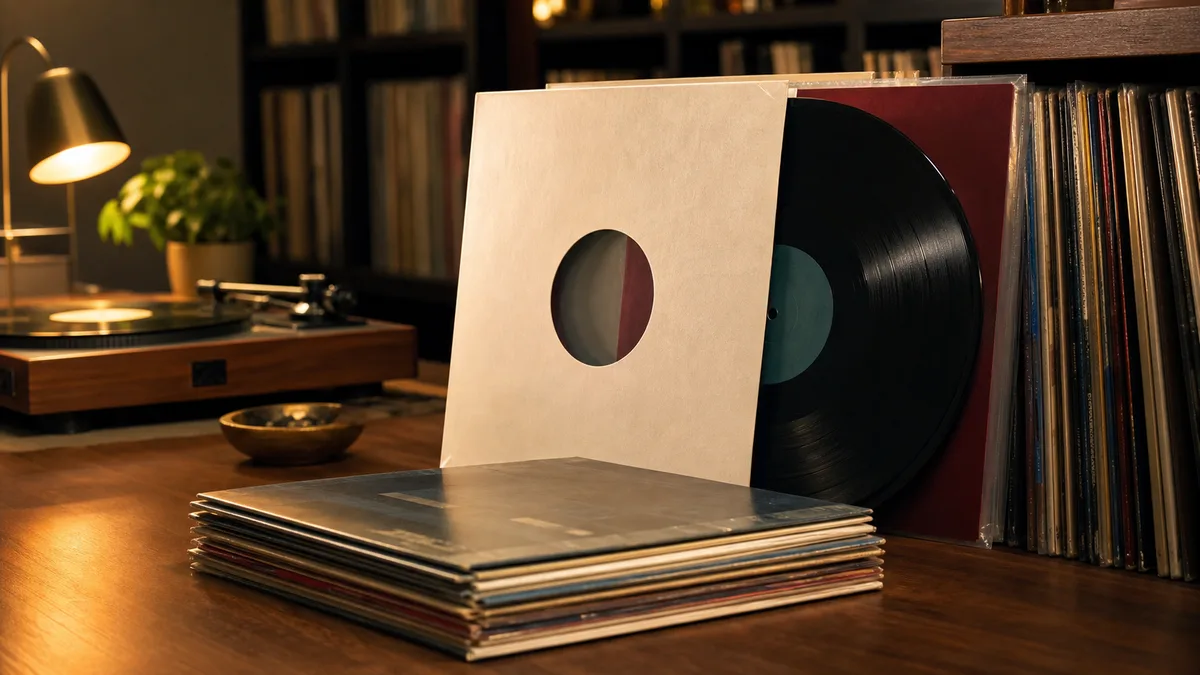
There’s a particular excitement collectors feel when they spot a Japanese pressing in the wild. That distinctive OBI strip wrapped around the sleeve. The weight of the vinyl. The promise of something better than whatever the Western pressing offered.
Is the hype justified? Having spent time with both, the answer is often yes—though not always for the reasons people assume.
Why Japanese Pressings Sound Different
During the 1970s and 1980s, American pressing plants were in a race to the bottom. Cost-cutting meant recycled vinyl, rushed quality control, and thin, flimsy records. Many US pressings from this era are genuinely terrible—noisy, warped, and disappointing.
Japanese plants took a different approach. They generally used virgin vinyl—material made specifically for record pressing rather than recycled scraps. The result: remarkably quiet surfaces, especially compared to their Western counterparts.
But it wasn’t just the materials. Japanese plants pressed in smaller batches, which meant tighter quality control at every stage. More attention per pressing. Quicker identification of stamper wear. Higher rejection rates for imperfect discs.
The difference is audible. Put on a Japanese pressing of a classic album, then put on the American version. The Japanese copy often sounds cleaner, more detailed, more present. It’s not subtle.
The OBI Strip Obsession
If you’ve browsed Japanese vinyl, you’ve noticed the paper strip wrapped around the sleeve. This is the OBI—pronounced “oh-bee,” Japanese for “sash,” derived from the belts worn in traditional clothing.
The OBI contains practical information: album title in Japanese, artist name, price, catalog number, promotional text. But it’s become a collector’s object in itself.
A Japanese pressing with its OBI intact is significantly more valuable than the same record without it. Some collectors specifically hunt for OBIs to complete their Japanese imports.
Why does a piece of paper matter so much? Partly proof of authenticity—an original Japanese release. Partly condition indicator—if that fragile strip survived, the owner probably took care of the whole package. Partly just aesthetics. They look beautiful on a shelf.
The Red Everclean Vinyl
Between 1958 and 1974, Toshiba pressed Japanese records using a special compound called Everclean. This red vinyl was designed to resist static and attract less dust than standard black vinyl.
Everclean pressings are now highly sought after for both their sound quality and their distinctive appearance. Finding one in good condition feels like finding buried treasure. They’re genuinely different—you can identify them at a glance.
Why Japanese Records Survive Better
Japanese pressings often turn up in better condition than equivalently aged Western copies, and it’s not just about manufacturing.
Japanese collector culture emphasizes care. Records stored in resealable plastic outer sleeves. Polyethylene inner sleeves replacing the paper ones that shed particles. Gentle handling as standard practice. Climate-controlled storage.
The result: Japanese pressings from the 1970s and 1980s frequently look and sound near-mint decades later. An American copy from the same era might barely rate “Good.”
What to Look For
When you’re trying to identify a Japanese pressing:
Check the labels. Japanese text, pressing plant codes, “Made in Japan” or “Manufactured in Japan” markings.
Check the catalog numbers. Often different from Western releases, sometimes with Japanese prefixes.
Check the inner sleeves. Typically polyethylene-lined, often with Japanese liner notes, sometimes with bonus inserts Western releases didn’t include.
The most desirable variants: first pressings with original mastering, promo copies with white labels, limited editions, and—crucially—complete packages with the OBI and all inserts intact.
Is the Premium Worth It?
Honest assessment: often yes, but not always.
Worth the premium when:
- The Western pressing is known to be poor quality (many 70s and 80s American releases)
- You want the best possible sound from a specific album
- The OBI and inserts are complete
- The condition justifies the price difference
Consider carefully when:
- High-quality Western pressings exist (UK first pressings, German pressings)
- The price difference is extreme
- You’re buying for casual listening rather than serious collecting
- The album has been well-reissued elsewhere with quality remastering
Finding Japanese Pressings
Where to look: Discogs (filter by country: Japan), specialized Japanese import dealers, Japanese auction sites through proxy services, record stores with import sections, estate sales from collectors who traveled.
What to ask: Is the OBI present? Are all inserts included? What’s the actual condition (not just the seller’s rating)? Is this a first pressing or a reissue?
The Japanese Scene Today
Japan’s love affair with vinyl continues. From 2023 to 2024, Japanese vinyl production jumped 26%. Tokyo’s record stores have become pilgrimage destinations for collectors worldwide.
Young Japanese consumers are discovering vinyl through social media. Overseas buyers sustain the market—Japanese pressings ship around the world. Japanese artists release vinyl-exclusive content. Premium reissues of Western classics continue.
The premium for Japanese vinyl isn’t about snobbery or artificial scarcity. It reflects genuine differences in manufacturing quality, collector culture, and preservation. Whether you’re hunting for a specific album in its best possible form or just curious about what the fuss is about, Japanese pressings reward the attention.
Sources: Face Records, Far Out Magazine, Moon Safari Records, Tokyo Weekender, Tokyo Updates