There’s a moment every vinyl collector remembers: that first time the needle drops and the room fills with music that feels different somehow. Warmer. More present. A friend of mine described it as “the first time I actually listened to an album instead of just having it on.” That’s the magic that pulls people in.
If you’re reading this, you’re probably curious about starting your own collection. Maybe you inherited some records from a relative, or you walked past a record store and felt that inexplicable pull. Whatever brought you here, welcome. You’re about to discover one of the most rewarding hobbies out there.
So Why Vinyl in 2026?
It’s a fair question. We live in an age where every song ever recorded is basically in our pockets. Why bother with these big, fragile discs that scratch if you look at them wrong?
The honest answer? It’s not really about the music—or at least, not just about the music.
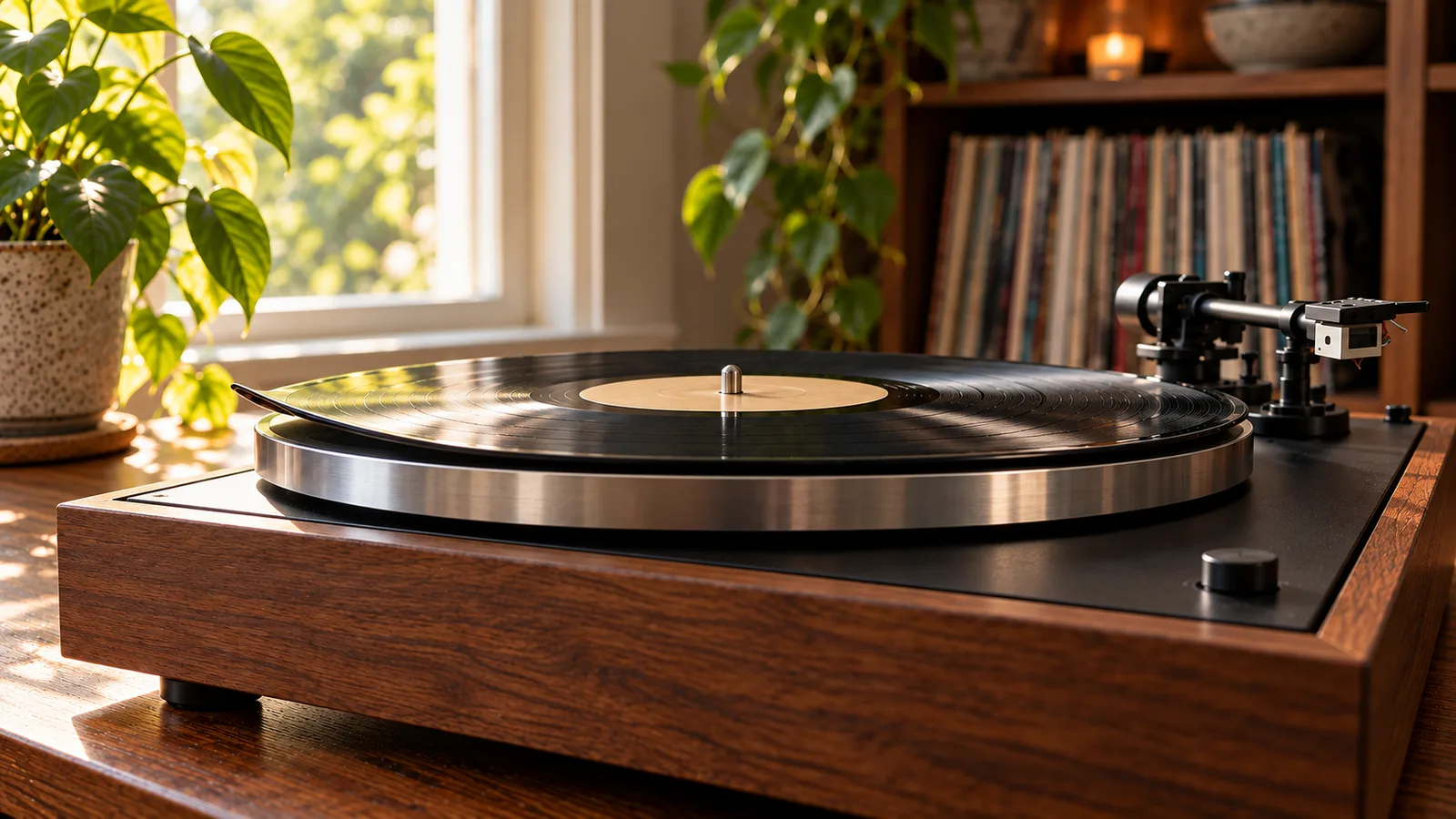
There’s the ritual of it. Sliding a record from its sleeve, placing it carefully on the platter, lowering the tonearm. You can’t skip tracks easily, so you end up listening to albums the way artists intended. Side A, then flip, Side B. It forces you to slow down in a world that doesn’t want you to.
And yes, plenty of people will tell you vinyl “sounds better.” That’s a whole debate we could have for hours over beers. What’s undeniable is that it sounds different—and for a lot of us, that difference feels like coming home.
Then there’s the collecting itself. The thrill of finding a record you’ve been hunting for months in a dusty crate. The artwork you can actually appreciate at 12 inches instead of a tiny thumbnail. The knowledge that you’re holding something physical, something real, in a world that’s gone increasingly digital.
Getting Your Setup Together
Before you can play records, you need something to play them on. This is where a lot of beginners get overwhelmed—or worse, make choices they regret.
The Turntable
Here’s the thing: you don’t need to spend a fortune, but you do need to spend enough. Those cute suitcase players you see everywhere? They look great on Instagram, but they’ll chew through your records with their heavy tracking force and cheap needles. It’s like buying a sports car and filling it with cooking oil.
If you’re on a tight budget ($100-200), look at the Audio-Technica AT-LP60X. It’s not fancy, but it’s reliable and won’t destroy your vinyl. The Victrola VPRO-2000 is another solid option.
If you can stretch a bit ($200-500), the Audio-Technica AT-LP120XUSB or Fluance RT82 will serve you for years. This is the sweet spot where you get real quality without breaking the bank.
If you’ve caught the bug hard ($500+), something like a Rega Planar 1 or Pro-Ject Debut Carbon EVO will make your ears very happy indeed.
One collector put it perfectly: “Buy the best turntable you can reasonably afford, then leave it alone for five years. Upgrading too early is a rabbit hole with no bottom.”
The Rest of the Chain
Your turntable needs friends. Most setups need:
Speakers: Powered speakers are the easiest route—just plug and play. Brands like Edifier and Audioengine make great options. If you want to go deeper, a receiver or amplifier paired with passive speakers gives you more flexibility and usually better sound.
A phono preamp: Records need their signal boosted and equalized before amplification. Some turntables have this built in; others need an external one. Check your turntable’s specs—if it says “built-in phono preamp” or “line output,” you’re covered.
Don’t stress about getting everything perfect right away. Start with what you can afford and upgrade as your ears (and wallet) demand it.
Actually Finding Records
This is the fun part. And honestly? Half the joy is in the hunt.
Your local record store is the obvious starting point. Yes, they still exist, and they’re wonderful. The staff usually knows their stuff and can point you toward gems you’d never find on your own. Plus, you’re supporting a local business that keeps vinyl culture alive.
Thrift stores and estate sales are where the real treasure hunting happens. Ninety percent of what you’ll find is beat-up copies of Herb Alpert and the Tijuana Brass. But that tenth time? That’s when you pull out a pristine first pressing of something incredible for three dollars and your hands start shaking a little.
Discogs is the collector’s best friend online. It’s a massive database and marketplace where you can find almost anything. Prices vary wildly, so it’s worth shopping around. It’s also invaluable for researching what you already own.
Record shows and fairs pop up in most cities a few times a year. They’re overwhelming in the best way—rows and rows of dealers with everything from dollar bins to rare test pressings behind glass.
What to Actually Buy
Here’s advice that took some collectors years to figure out: buy what you love.
It’s tempting to pick up “important” albums because you feel like you should own them. But if you don’t actually enjoy Led Zeppelin, that copy of Physical Graffiti is just going to sit there judging you.
Start with albums you already know and love. The ones you’ve played to death on streaming. Hearing them on vinyl for the first time is a revelation—you’ll notice details you never caught before.
Then branch out. Let yourself discover new music through the format. Ask the record store clerk what they’ve been spinning. Take a chance on that album with the cover that caught your eye.
A Quick Word on Condition
When buying used records, condition is everything. The grading scale runs from Mint (basically unplayed) down through Near Mint, Very Good Plus, Very Good, and below. For actual listening, VG+ is usually the floor—anything lower might have significant noise issues.
Always check the record itself, not just the sleeve. A pristine cover can hide a trashed disc.
Taking Care of What You’ve Got
Records aren’t as fragile as people think, but they do need some basic respect.
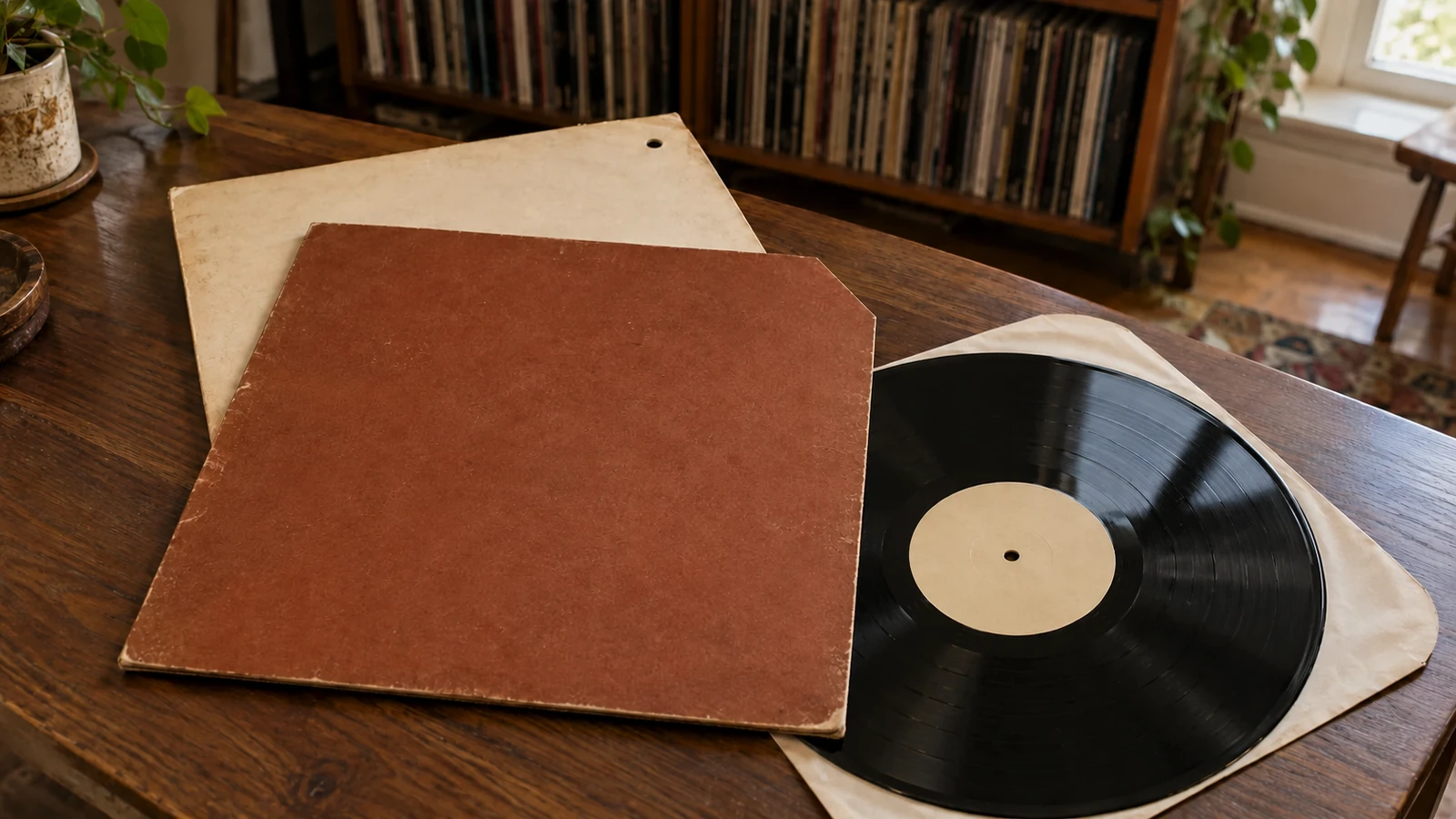
Handle them by the edges and the label—never touch the grooves. Those fingerprints might seem harmless, but the oils from your skin attract dust and grime that work their way into the grooves.
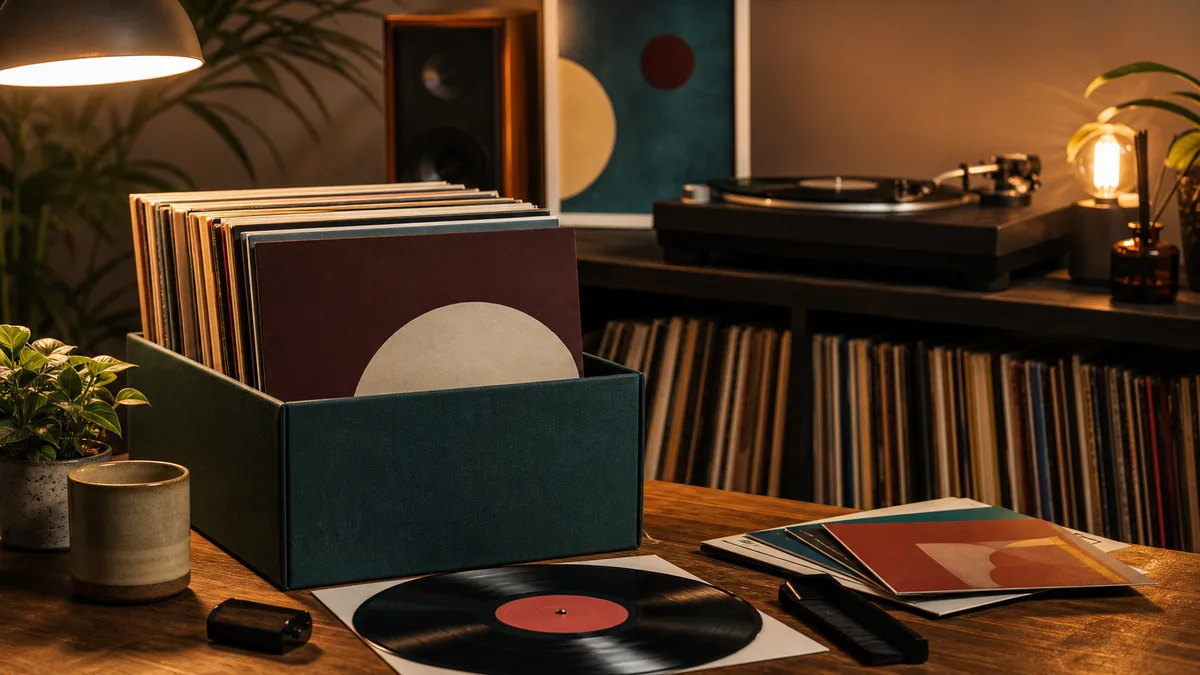
Store them vertically, like books. Stacking them flat puts pressure on the bottom records and can cause warping over time.
Keep them away from heat and direct sunlight. A record left in a hot car is a warped record.
Clean them before playing. A quick pass with a carbon fiber brush removes surface dust and static. For deeper cleaning, there are various methods from simple wet washing to ultrasonic machines (we’ve got a whole guide on that).
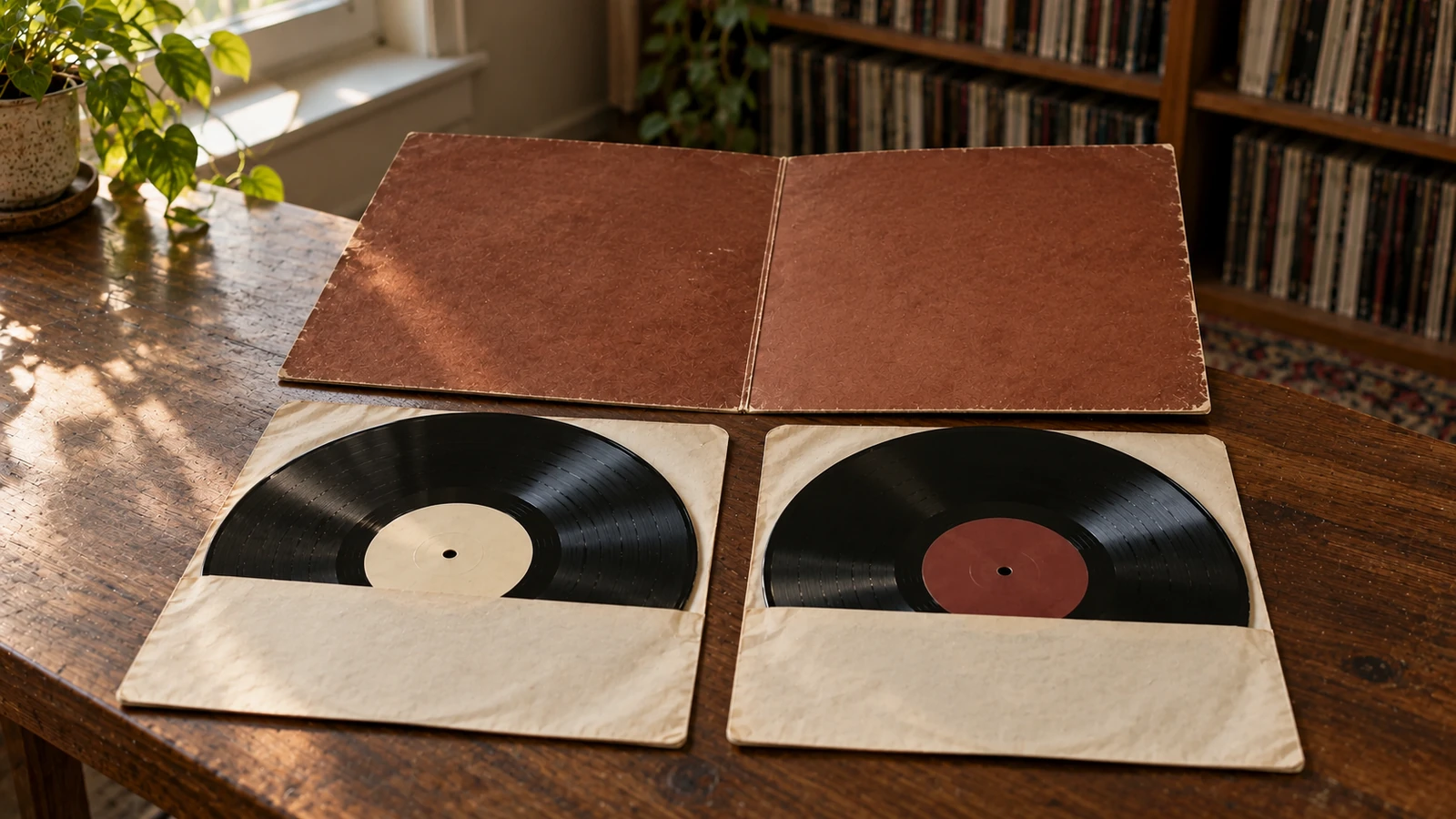
And please, upgrade those paper inner sleeves to poly-lined ones. Paper sleeves shed fibers and can scratch your vinyl every time you pull it out.
Keeping Track of It All
Once you get past a hundred records or so, things start to get fuzzy. Did I already buy this album? Which pressing do I have? Is this worth anything?
That’s where apps like My Vinyl+ come in handy. Scan barcodes to log records instantly, pull in all the detailed release info from Discogs, and always know exactly what you own—even when you’re standing in a record store trying to remember if that’s a duplicate.
The Real Secret
Here it is, the thing experienced collectors wish someone had told them early: this hobby is about joy, not status.
It’s not about having the rarest pressing or the most valuable collection. It’s about that feeling when you come home, pour a drink, and drop the needle on something you love. It’s about discovering an album that changes your life because you took a chance on a cool cover. It’s about the quiet satisfaction of watching your collection grow over time, each record a little piece of who you are.
Don’t rush. Don’t stress about doing it “right.” Just start, and let the music guide you.
Happy collecting. Your first great find is waiting out there somewhere.
Got questions about getting started? Drop a line at [email protected] or find us on Instagram—we love hearing from fellow collectors.