Vinyl collecting has always been a trust game. Is that first pressing real or a convincing reissue? Is the “sealed” copy on eBay actually unsealed and resealed? When you’re spending serious money on rare records, provenance matters — and until recently, verifying it meant relying on visual inspection, matrix numbers, and your own experience.
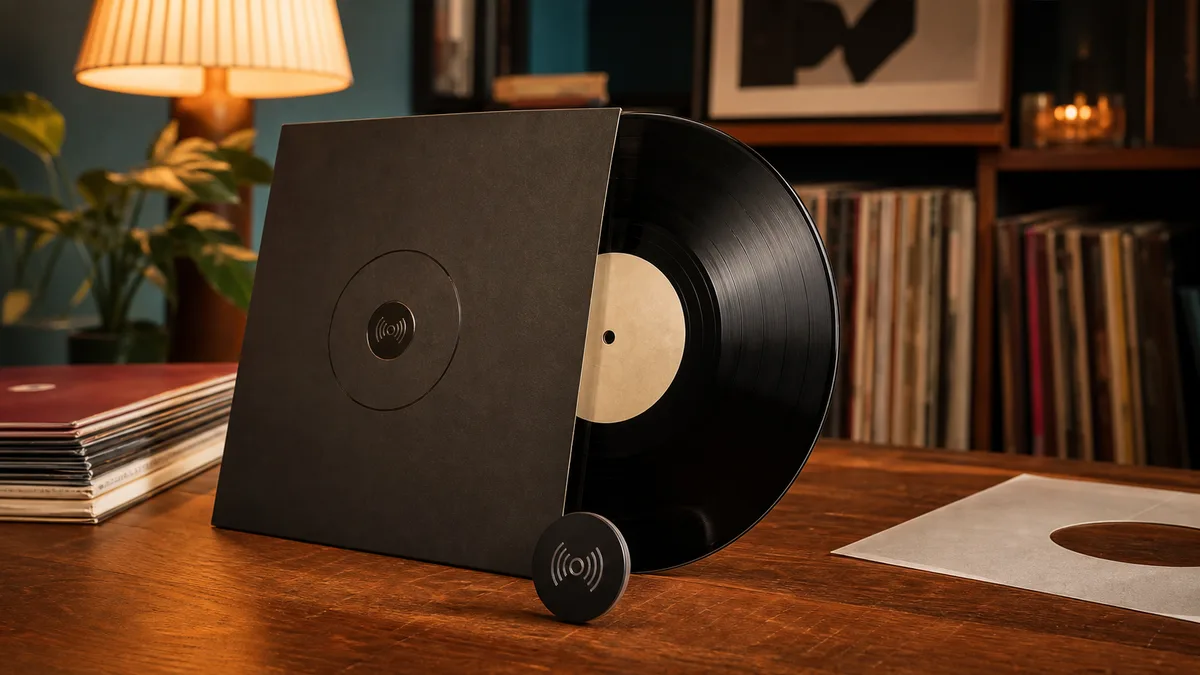
That might be changing. Alliance Entertainment, one of the largest physical media distributors in the US (they moved over 16.3 million vinyl records in 2025 alone), launched Alliance Authentic in January 2026. It’s a platform that embeds NFC chips into vinyl packaging, turning each record into a digitally verifiable collectible.
How It Works
Each Alliance Authentic release comes with an embedded NFC chip. Tap it with your smartphone and you get:
- Authentication: Verification that your exact numbered copy is genuine and sourced from authorized labels and distributors.
- Ownership history: A validated chain of custody that tracks who’s owned the record over time.
- Exclusive content: Digital extras tied to the specific release.
The tech is powered by Endstate, which also runs the peer-to-peer marketplace where authenticated records can be bought, sold, and traded with provenance intact.
Think of it like a certificate of authenticity that you can’t lose, forge, or photocopy. The NFC chip is the certificate, and anyone can verify it with a phone tap.
Why This Matters
Counterfeiting in vinyl has grown alongside the format’s popularity. The global market hit $2.1 billion in 2025, and where there’s money, there are fakes. Bootleg pressings of popular titles — especially limited-edition coloured variants — show up constantly on secondary markets. Some are obvious; others are good enough to fool experienced collectors.
The secondary market for vinyl has also become harder to navigate. Discogs and eBay listings for sealed records rely on seller reputation and photos. NFC authentication adds a layer that’s difficult to fake. You’re not trusting a stranger’s description; you’re tapping a chip and getting verifiable data.
For high-value records — limited RSD exclusives, numbered pressings, anything over £50 on the secondary market — that kind of verification could be genuinely useful.
The Bigger Picture
Alliance Authentic isn’t happening in isolation. The vinyl industry has been slowly integrating digital tech into physical records:
- QR codes on inner sleeves linking to bonus digital content are increasingly common.
- Major retailers and labels have reported double-digit vinyl sales growth year-on-year, with premium and exclusive titles leading that growth. Anything that protects the value of those premium releases benefits the ecosystem.
- The market is premiumising. Coloured vinyl now makes up around 22% of all sales, and about 31% of consumers specifically seek out limited editions. When you’re paying a premium, authentication matters.
Alliance is essentially building the infrastructure for vinyl to function more like the art or trading card markets, where provenance and authentication directly affect value. Whether that’s exciting or dystopian probably depends on how you feel about the intersection of collecting and technology.
What It Doesn’t Solve
A few things worth being realistic about:
It only covers Alliance releases. The vast majority of your collection — back catalogue, used records, imports — won’t have NFC chips. This is an opt-in system that only applies to new releases on the platform.
It doesn’t prove condition. Authentication tells you the record is genuine, not that it’s been properly stored. A verified pressing that’s been left in a hot attic for two years is still a damaged record.
Adoption is uncertain. For this to become an industry standard rather than one company’s product, other distributors and labels would need to adopt similar technology. That’s a big if.
It adds cost. NFC chips, registration systems, and marketplace infrastructure aren’t free. That cost gets passed to buyers. Whether it’s worth paying more for authentication depends entirely on what you’re buying and why.
Should You Care?
If you’re a casual collector buying records to play, probably not yet. The albums you grab at your local shop don’t need blockchain-adjacent verification.
If you’re spending real money on limited pressings, rare variants, or sealed records on the secondary market, this is worth watching. The ability to verify authenticity with a phone tap could save you from an expensive mistake.
And if you’re thinking about collecting as a long-term investment? Authenticated records with verified provenance will almost certainly hold and grow in value more reliably than unauthenticated ones. That’s how it works in every other collectibles market, and vinyl is heading the same direction.
Alliance Authentic is early. The catalogue is small, the ecosystem is new, and it’ll take time to see whether the broader industry follows. But the underlying idea — that vinyl collecting in 2026 benefits from better authentication tools — is hard to argue with.
The format’s been analog for 75 years. A little digital trust layer on top doesn’t change what matters: the music in the grooves. It just makes it harder to get ripped off.