You pre-ordered that limited pressing three months ago. The estimated ship date came and went. Then the revised estimate. You check your email for updates that don’t come. Eventually it arrives, five months after you paid for it.
Sound familiar? You’re not alone, and there’s a real structural reason behind it.
The Bottleneck Nobody Talks About
Vinyl sales have been growing at roughly 7-11% per year. The global market is worth an estimated $2.4 billion and analysts project it’ll hit $3.5-5 billion by the early 2030s. But here’s the problem: production capacity hasn’t kept pace.
Pressing plants worldwide are estimated to be operating at around 85% capacity — which sounds like there’s room, until you realize that number accounts for maintenance downtime, changeover time between jobs, and the reality that not all plants can handle all formats. The actual available slack for new orders is much thinner than that figure suggests.
The result: lead times for vinyl pressing routinely sit at 6-9 months. For independent artists without label clout, it can stretch even longer. Major labels get priority because they order in bulk and have standing contracts with plants. Everyone else joins the queue.
How We Got Here
When CDs took over in the 1980s and 90s, pressing plants closed. Makes sense — nobody was buying vinyl. The infrastructure that had been built up over decades just disappeared. Machines were scrapped. Skilled operators retired or moved on. The institutional knowledge of how to press quality records thinned out significantly.
Then vinyl started coming back. Slowly at first in the late 2000s, then accelerating through the 2010s, and absolutely surging post-2020. But rebuilding manufacturing capacity isn’t like flipping a switch.
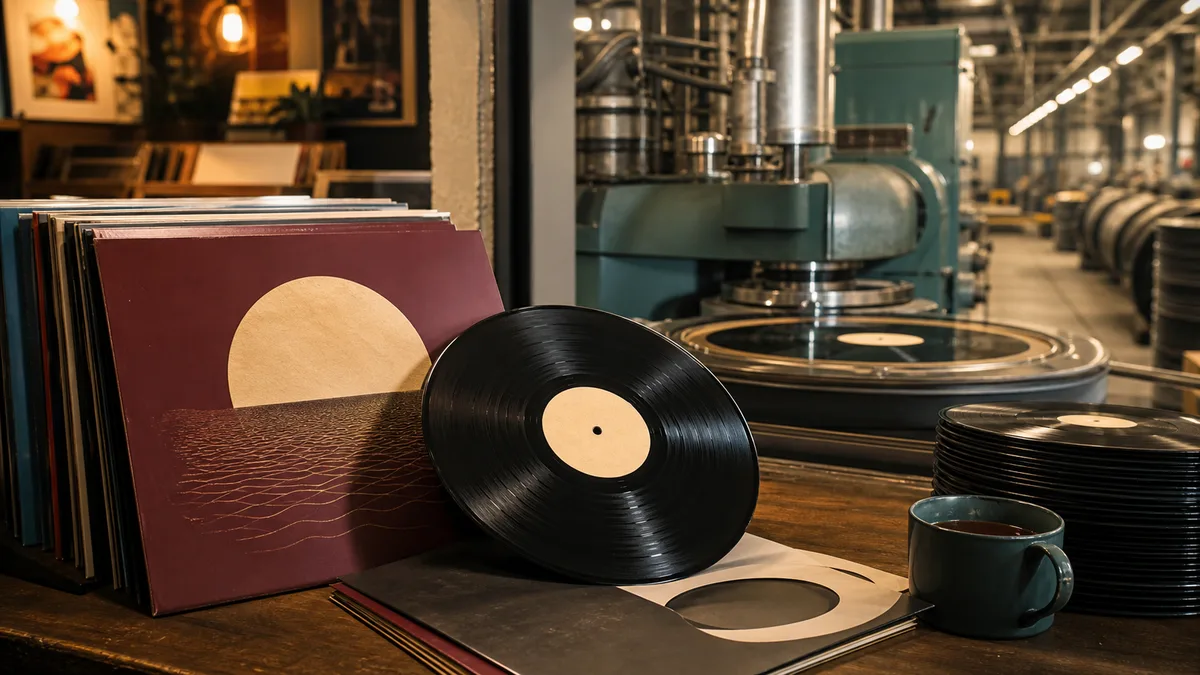
A new pressing plant needs specialized equipment — much of which isn’t made anymore. The hydraulic presses that stamp vinyl are precision machines, and the companies that originally built them are mostly gone. New entrants like Viryl Technologies (makers of the WarmTone press) have started manufacturing modern machines, but supply is limited and machines are expensive.
Then there’s the labor problem. Running a pressing plant requires specific skills: electroplating, quality control, mastering for vinyl’s unique requirements. These aren’t skills you pick up in a weekend workshop. Training takes time, and experienced operators are in short supply.
New Plants Are Opening — But Slowly
The good news: the industry has been responding. GZ Media, already one of the world’s largest vinyl manufacturers, opened Nashville Record Pressing — a $13.3 million facility with capacity exceeding 20 million records per year — to serve the North American market. Several smaller plants have opened in Europe and the US over the past few years.
But “new plant” doesn’t mean “instant capacity.” Each facility takes 12-18 months to get fully operational after opening. Quality needs to be dialed in. Staff need to be trained. And even then, a single new plant might add capacity for a few hundred thousand records per year — useful, but not transformative given global demand measured in the hundreds of millions.
The PVC Factor
Vinyl records are made from polyvinyl chloride. PVC pricing has been volatile since the pandemic-era supply chain disruptions, and while things have stabilized somewhat, the raw material cost is still higher than it was five years ago. That flows through to pressing costs, which flow through to retail prices.
Some manufacturers have experimented with alternative materials — recycled vinyl, bio-based plastics — but these are still niche. The audiophile community is skeptical of anything that might affect sound quality, and for good reason. Virgin PVC remains the standard for premium pressings.
What This Means for Collectors
A few practical takeaways:
Pre-order windows matter more than ever. When a label announces a limited pressing, they’ve already booked plant time. That pressing run is fixed. If you miss the pre-order window, you’re hoping for a repress — which means another 6+ month wait, if it happens at all.
Indie labels get squeezed hardest. They can’t guarantee the volume that major labels can, so they get lower priority at pressing plants. This is why small-run indie releases often face the longest delays and the most frequent push-backs on ship dates.
Quality varies. Plants running at near-capacity sometimes cut corners on quality control. Warped records, off-center pressings, surface noise — these complaints have increased as plants push throughput. If you receive a defective pressing, report it. Labels need that data to hold plants accountable.
Prices aren’t coming down. Between PVC costs, limited capacity, and growing demand, the economics point toward higher prices for new vinyl, not lower. The standard new-release LP price has crept from $20-25 a few years ago to $30-35 today, and limited pressings regularly hit $40-50.
The Bigger Picture
There’s an irony here. Vinyl’s revival has been one of the music industry’s best stories of the past decade. But the very success of the format is creating friction that could alienate the casual buyers who drove that growth. Nobody wants to wait half a year for an album they pre-ordered.
The industry knows this. Investment in new pressing capacity continues. Technology is gradually improving — modern presses are faster and more consistent than the vintage machines many plants still rely on. And some labels are getting creative, using direct-to-consumer models and smaller batch runs to stay nimble.
But for now? If you’re a vinyl collector, patience is part of the hobby. Set your pre-orders early, support your local pressing plants if you’re an artist, and maybe keep a spreadsheet of what’s coming and when.
Your record is being made. It’s just waiting its turn.