If you picked up vinyl for the first time on Record Store Day last weekend, welcome. You’ve got a new record, probably a brand new turntable, and a format that rewards knowing a few basics. Here’s what actually matters in the first week.
Unboxing Matters
Most new vinyl comes sealed in plastic, often with a hype sticker over the shrinkwrap. Don’t just rip it open and drop the record on the platter.
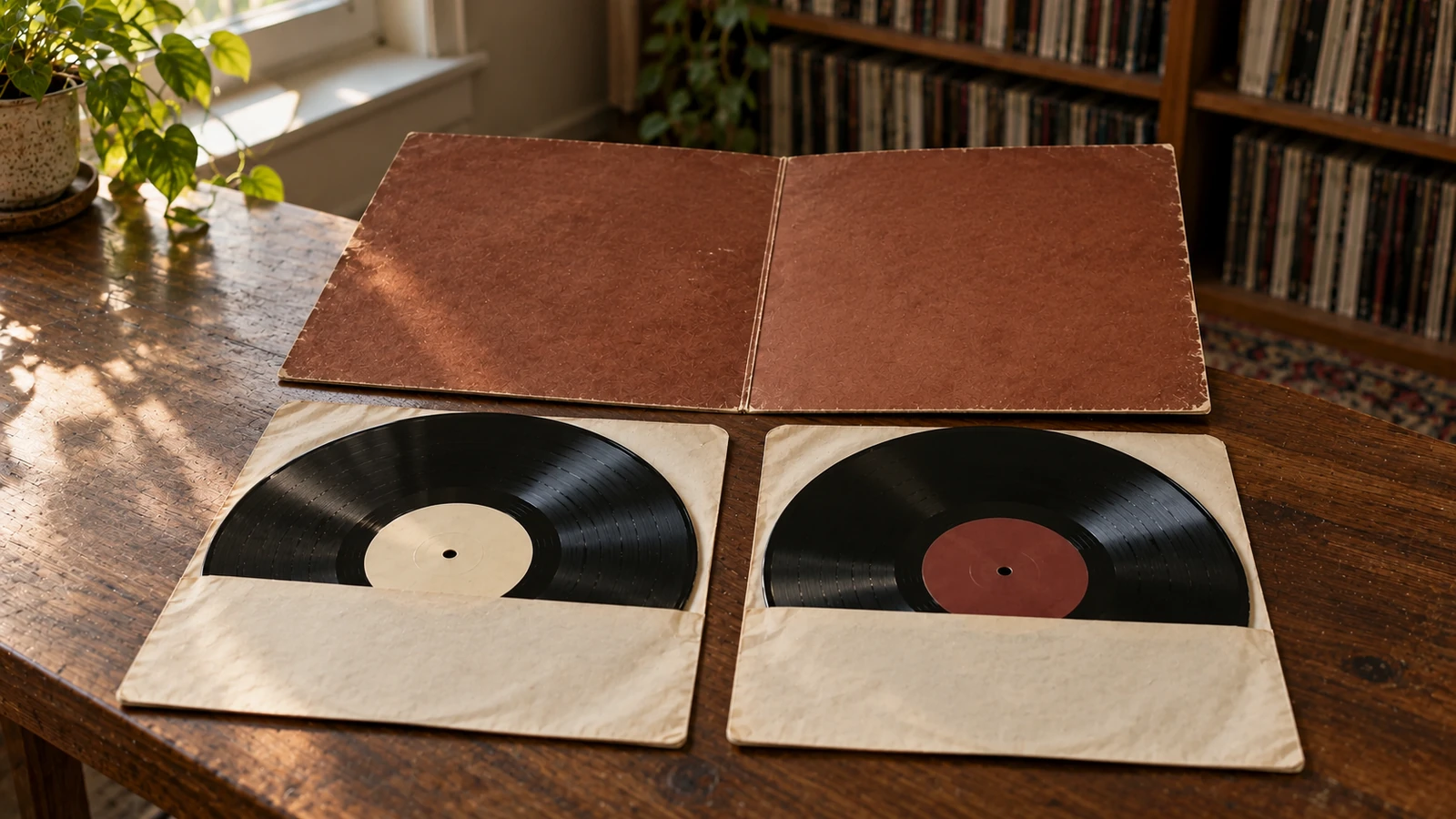
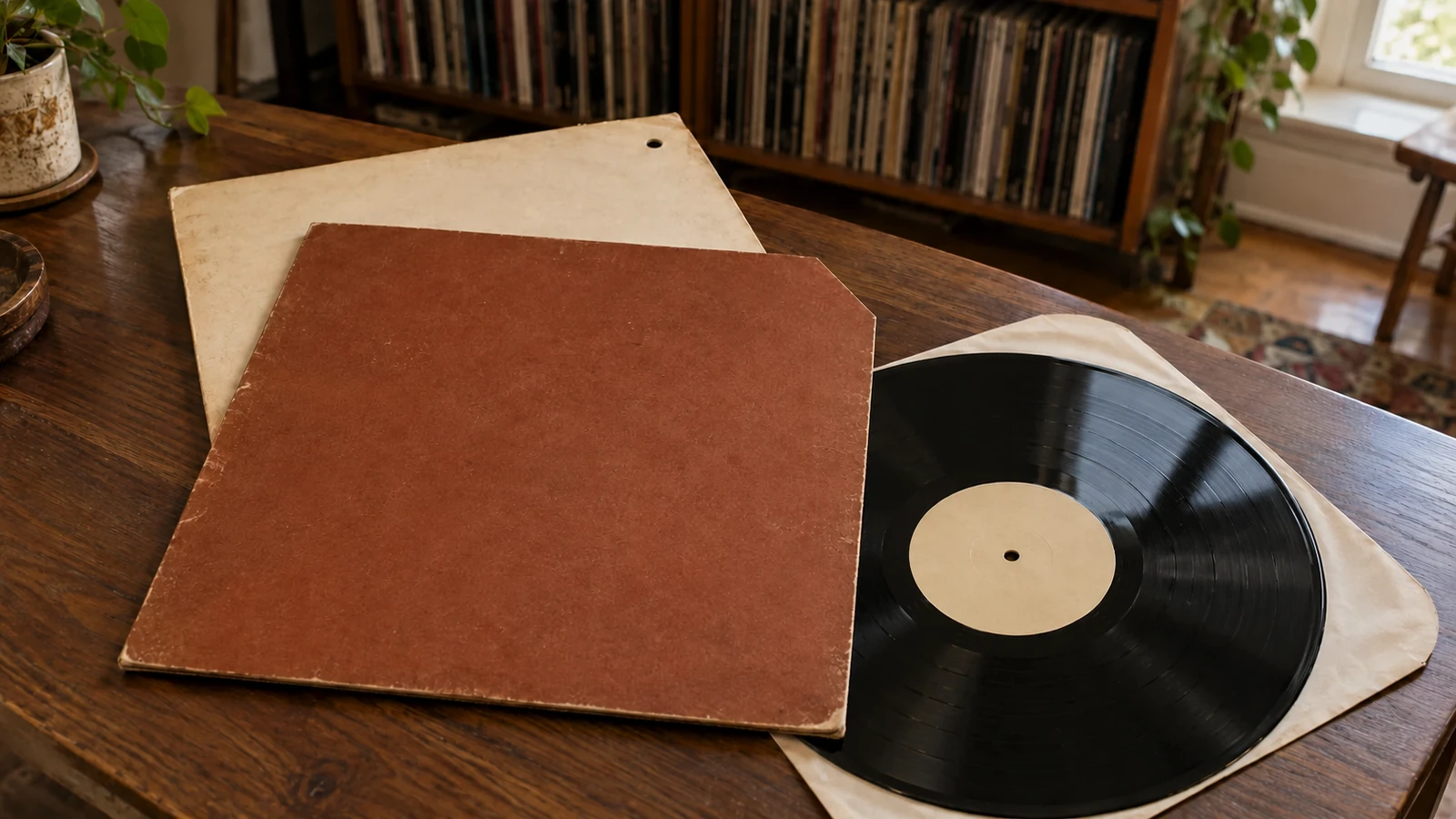
The basic unbox: Cut the shrinkwrap carefully — a dedicated record opener is worth the few pounds it costs, but a guitar pick or similar thin plastic tool works fine. Remove the inner sleeve and set it aside. Pull the record out by its edges (not the playing surface) and inspect it before playing.
What to look for: Visible scratches, pressing defects like a raised edge (called a “nip,” which can damage your needle), or any contamination on the playing surface. Minor visual marks don’t necessarily mean a record plays badly — but genuine pressing defects are worth returning to the shop if you catch them early.
Keep the inner sleeve. The paper inner sleeve that came with your record is part of the package. Don’t replace it with a generic sleeve unless you have a specific reason — it’s designed for the record and won’t introduce foreign material to the pressing.
Let the Record Settle
New vinyl sometimes has residual pressing compound or mould release agent on the surface. This isn’t a defect — it’s a normal result of the manufacturing process. Playing a brand new record for the first time and hearing some surface noise that goes away after a few plays is common.
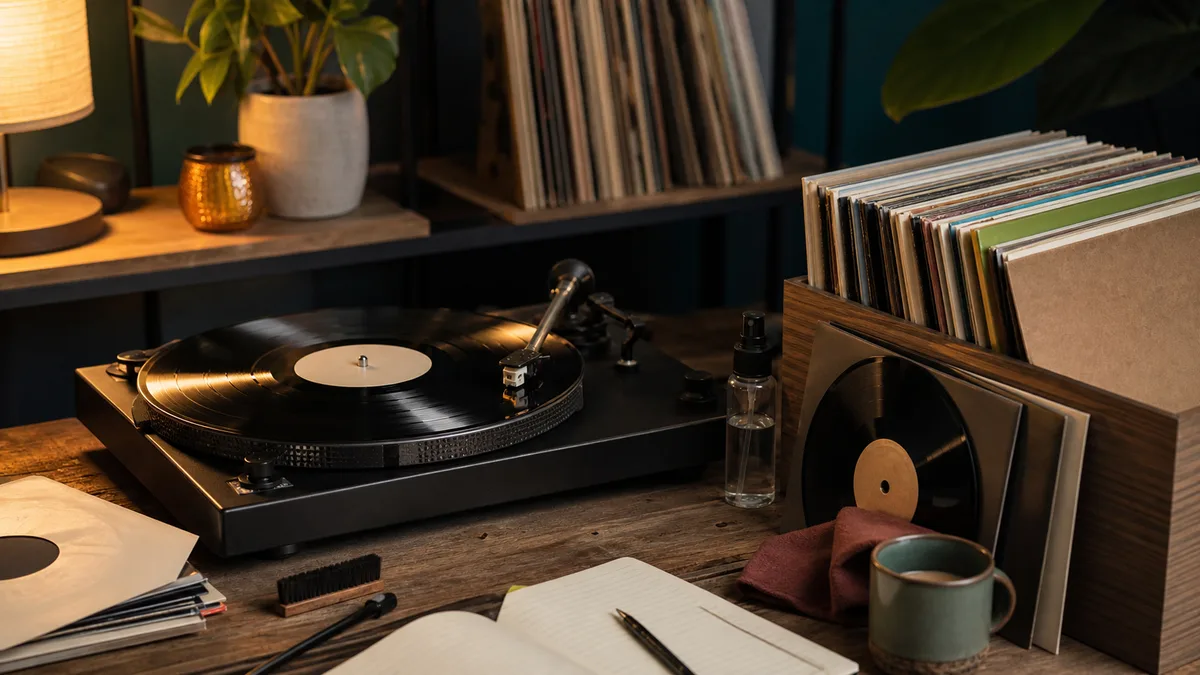
If you want to be thorough, a quick wipe with a proper record brush before first play helps. Don’t use a wet cleaner on a new record unless it’s specifically designed for it — a dry anti-static brush is usually sufficient.
Storage Starts Now
The most important thing you can do for your new record right now: put it somewhere safe.
Vertical storage is fine. Horizontal is not. Records stored flat in a stack will eventually warp. This is the single most common damage pattern for collectors who are casual about storage. Keep records vertical, ideally in a dedicated shelf or cube.
Room temperature, no direct sunlight. Vinyl doesn’t like heat or sustained UV exposure. A shelf near a radiator or a sunny window is storage-killing storage. Most homes are fine — just avoid the obvious extremes.
Don’t remove the outer sleeve yet. Keep the cardboard outer sleeve on until you’re actively playing the record. It’s protection.
The Turntable Settings Nobody Talks About
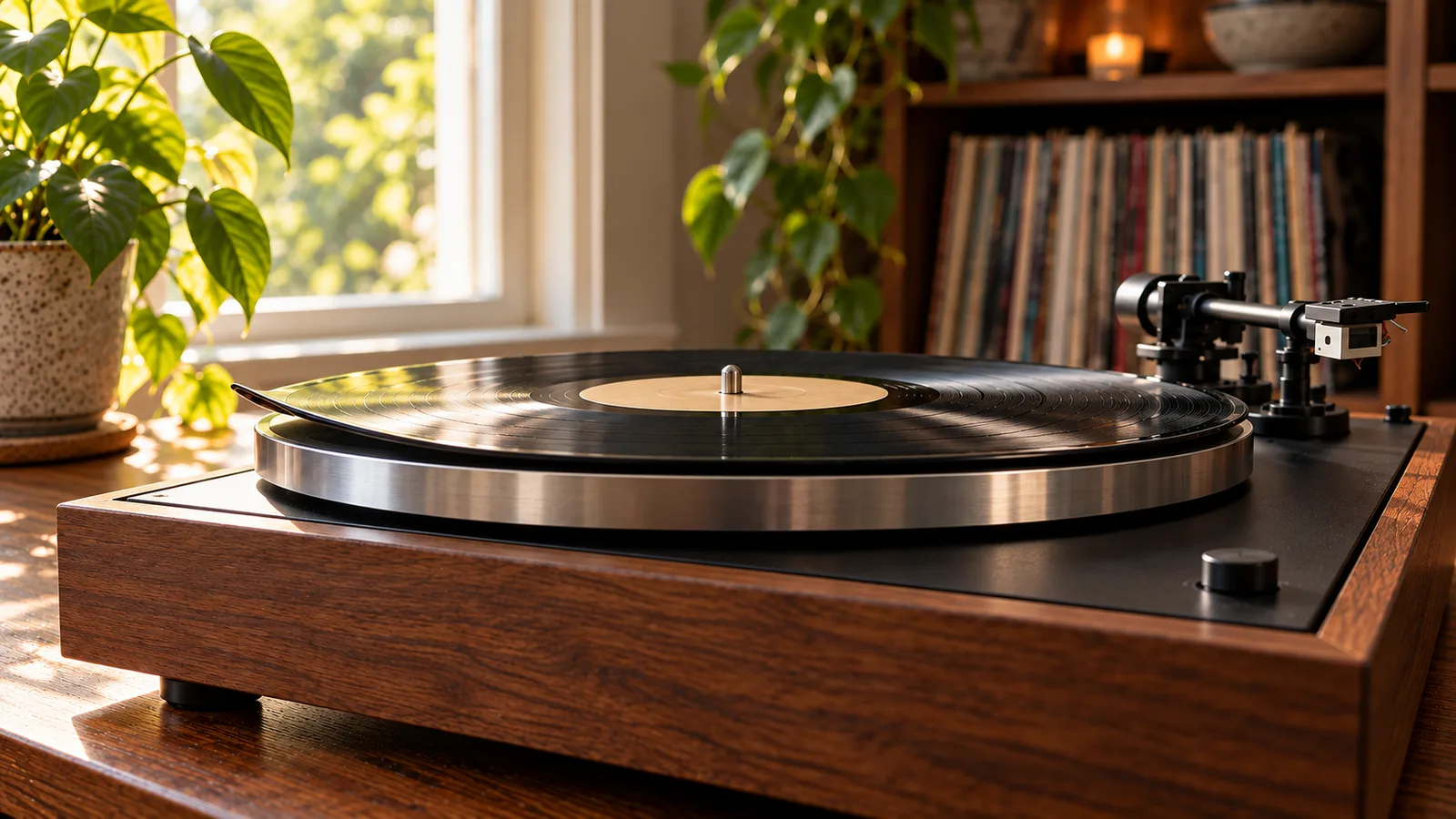
If you bought a new turntable, it probably came with a default tracking force setting. Most modern turntables come reasonably calibrated from the factory, but if you’re running a budget or mid-range deck, it’s worth knowing:
Anti-skate — if your turntable has this dial, set it to roughly match your tracking force. This keeps the needle centered in the groove and reduces wear on one side of the record. For a factory cartridge at 2.0g tracking force, a similar anti-skate setting is usually fine.
Speed (33/45) — most records are 33⅓ RPM. 45 RPM records are usually singles and some classical pressings. Check before you play.
The cue lever — used correctly, this lowers the needle gently onto the record rather than dropping it. It protects the stylus and the groove. Use it.
The Things You Don’t Need to Worry About Yet
The internet will tell you to buy a specific cleaning machine, invest in a particular stylus pressure gauge, measure your platter’s wow and flutter. You don’t need any of that in week one.
What matters in week one: playing your records, not breaking them, getting comfortable with the physical format, and figuring out what you actually like listening to on vinyl.
Everything else can come later. Vinyl is a hobby that rewards patience. The people who get frustrated are usually the ones who tried to optimise everything before they’d listened to their first ten records.
One More Thing
The best thing about vinyl as a format isn’t the sound, the aesthetics, or the ritual — it’s that it makes you actually listen. With streaming, skipping is frictionless, and music becomes background. With a record, you’re committed to the side. You hear the whole thing. Sometimes that’s inconvenient. But often it’s how you discover the track you’d have skipped.
Give that a few weeks. Most people who’ve gotten into vinyl say the same thing: they started listening differently. That’s worth more than any of the other stuff.
Sources: Wirecutter: How to Set Up a Turntable, Discogs: Vinyl Care Guide